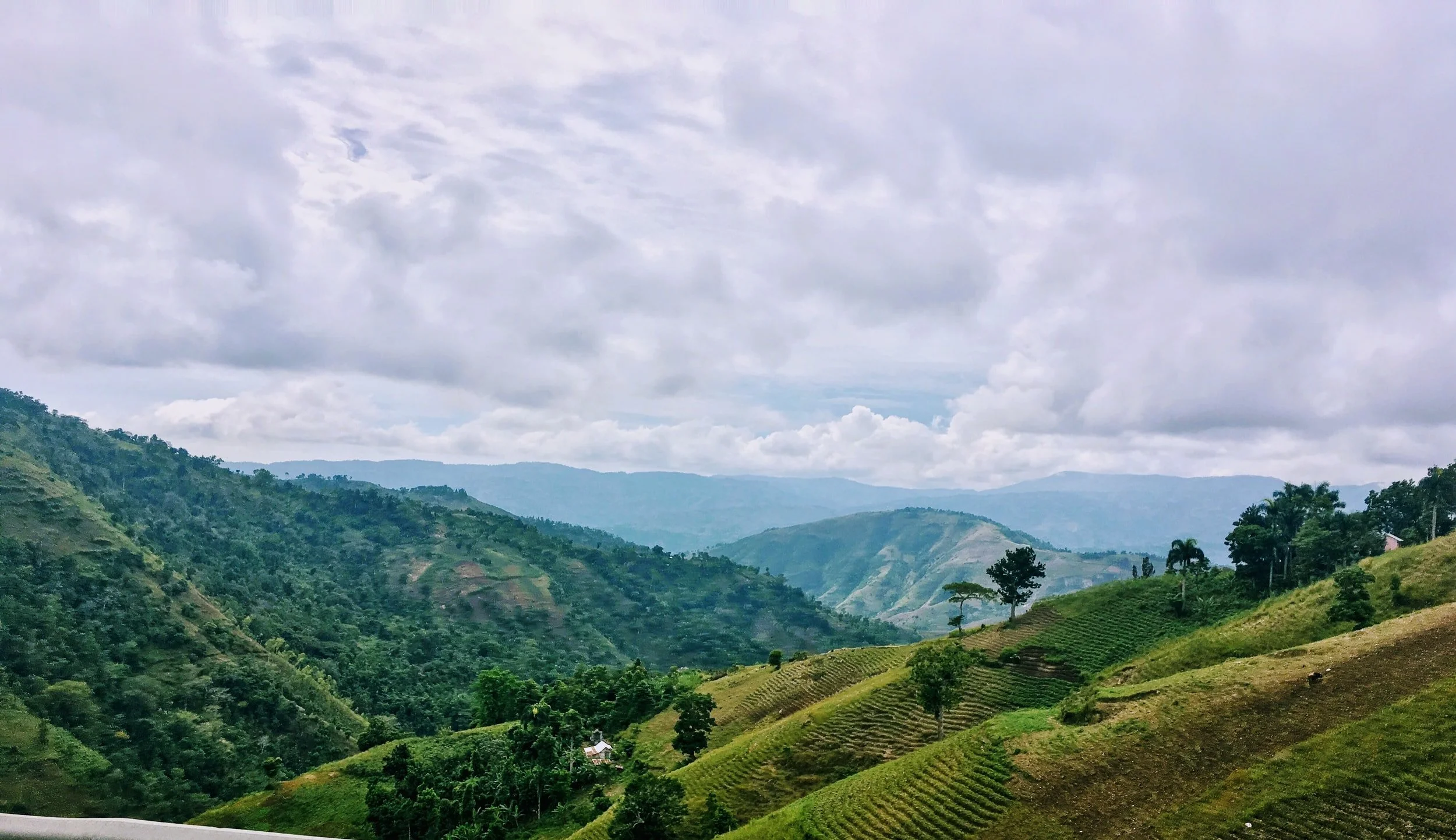
The Haiti Tree Project has planted over 40 varieties of trees in Haiti over the past 15 years. Our work is centered on providing food sovereignty and self-sustainability to restore Haiti’s natural ecosystem. Without trees along the hillsides and river banks, and with climate change, communities face the constant threat of flooding during monsoon season. Our reforestation project also helps restore the soil for farming diverse trees that can eventually allow farmers to start their own local businesses.
Five Trees To Grow In Haiti
Along with our diverse trees, there are a few trees that are a staple of Haiti’s ecosystem. These five trees are among the ones planted by The Haiti Tree Project throughout the years to help scale our pre-existing reforestation project.
1. Avocado
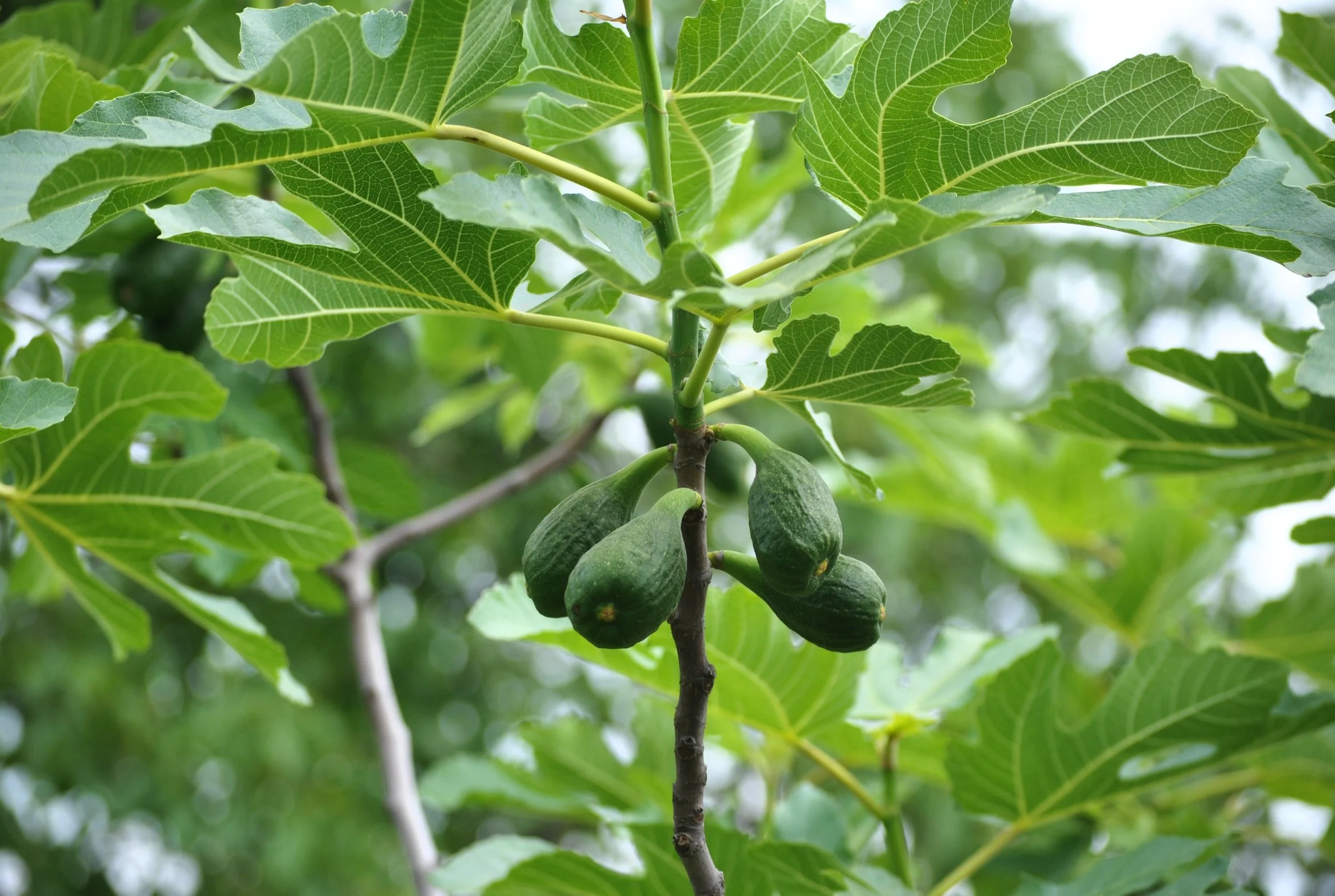
Avocados trees help improve the lives of rural people by providing a superfood that’s high in protein, vitamins, nutrients, and healthy and essential fats. With over 300 calories, avocadoes offer a robust fruit, that can help prevent malnutrition during the colder seasons. Avocadoes have become commercialized and coveted in international export markets. Growing avocado trees in Haiti will provide our farmers with a great source of income.
2. Tamarind
This fruit tree produces the tangy tamarind fruit used in Caribbean dishes and other global cuisines. Native to Africa, tamarind trees grow well in tropical settings and also grow especially well in Haiti due to the country’s versatile climate. In addition to the fruits, both the seeds and leaves can be eaten. Other than food, the fruit also provides traditional medicinal value as a treatment against fungal, bacterial, and viral infections, and it’s also used for treating malaria. The pulp can be used to polish metal, extending the life and use of the fruit. Additionally, the tamarin seed oil supports healthy cholesterol and blood sugar levels.
3. Mango
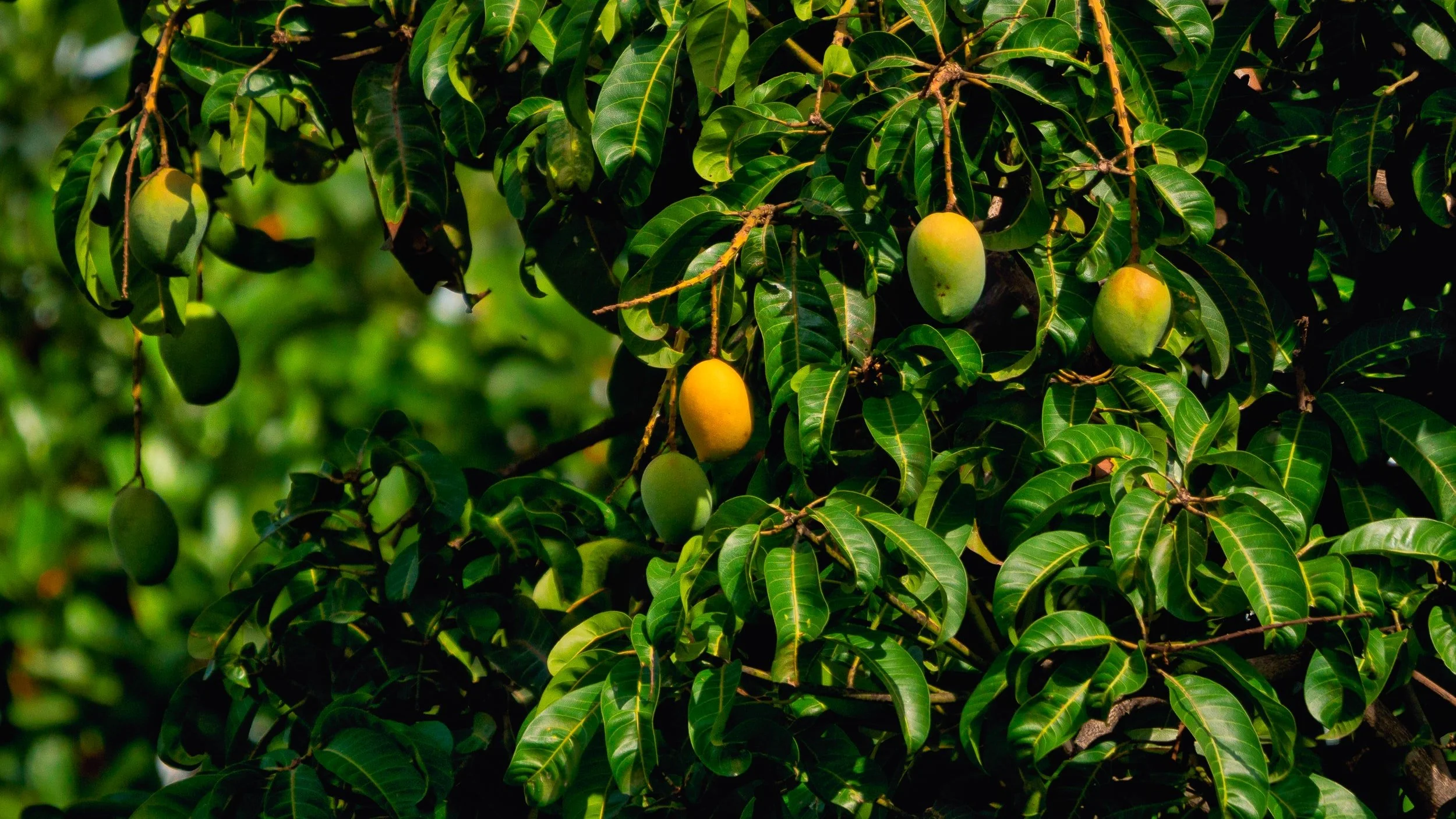
Haitian mangos are coveted worldwide. Mango trees, including the larger Francique mango trees that offer extra-large fruits, are grown on hillsides and slopes in Haiti. They are an essential part of the nutrition and economic stability of Haitians. Growing mango trees, even on the smallest farm, guarantees revenue for farmers. Thanks to their dense leaves, planting mango trees also offers shade to smaller plants and animals, making them central to supporting thriving Haitian communities.
4. Spanish Cedar (Sed)
Sed trees, native to Haiti, and commonly known as Spanish cedar, once thrived in abundance. They produce a rich, aromatic wood that’s cherished as lumber. Unfortunately, deforestation has destroyed the sed tree economy. However, sed trees are a staple of our reforestation project because they are also crucial to ecosystem balance for their vastness and protection of the floor canopy, beekeeping, and providing birds a sturdy home to live in.
5. Mahagony
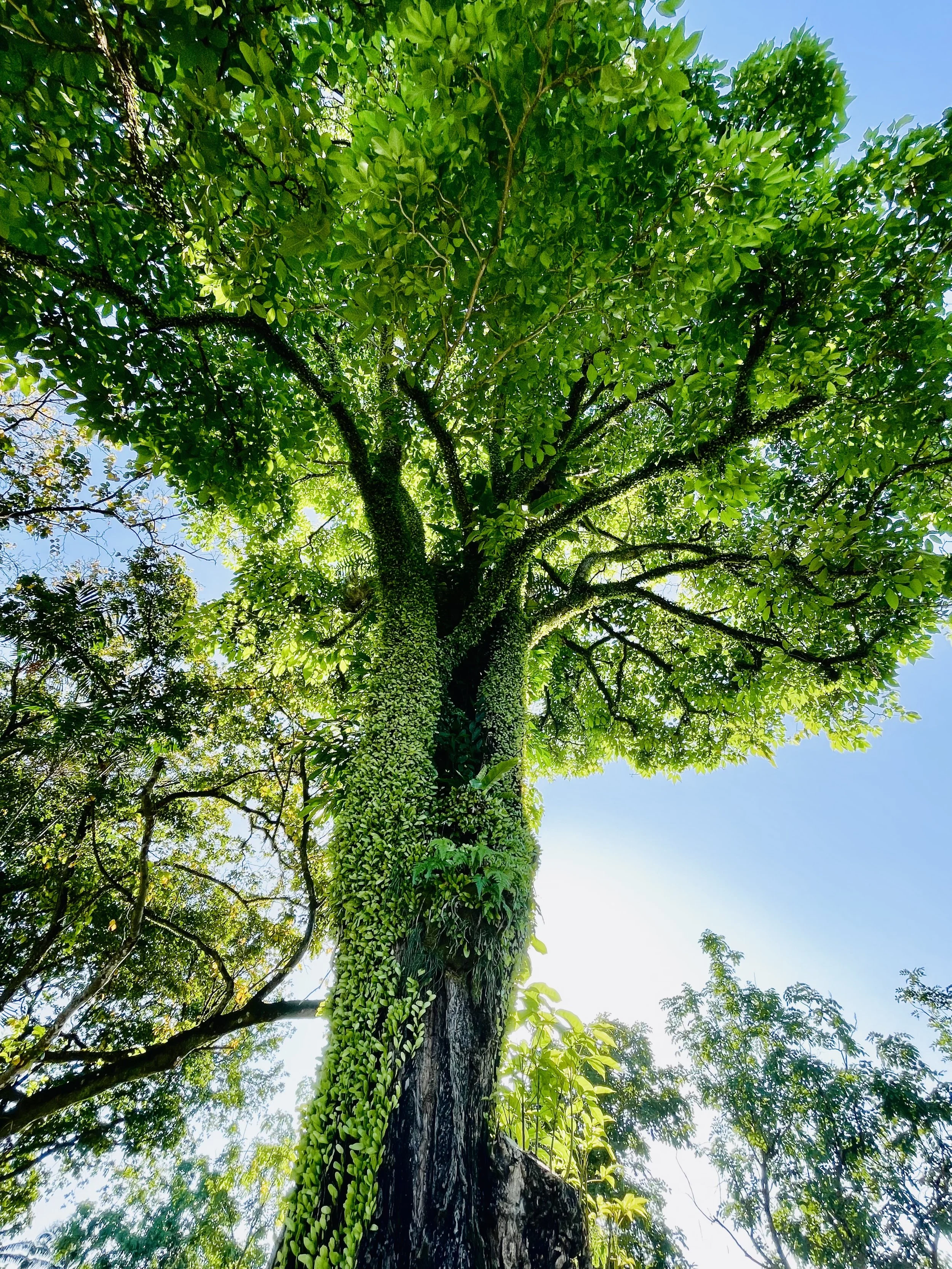
Mahagony trees are now rare in Haiti but those who have one cherish it and sell the seeds to others for planting. The massive size of this native hardwood provides deep roots that hold soil and create healthy watershed. Their wood provides income during times of need. Planting these trees for selective cutting amongst a large variety of forest trees greatly benefits the Haitian landscape and economy.